Choosing the Right Buggy Dubai for Desert Driving in Barsha Heights
Picking a buggy in Dubai is less about chasing the biggest engine and more about matching the vehicle, the route and the safety setup to the driver. The desert around the city can be forgiving on one stretch and demanding on the next. Loose sand, firm tracks, rock edges and tight turns all ask for different things from a dune buggy. A careful choice at the start makes the day smoother and helps everyone know what to expect before reaching the dunes.
Start with who will be driving
Write down the likely drivers before looking at any vehicle. Age, height, driving confidence and physical comfort all matter. A single-seater suits someone who wants full control of the buggy and a clear view ahead. A two-seater can work well for a pair who want to share the experience, but the passenger needs to be comfortable with uneven ground and quick changes in direction.
Check whether the driver can reach the pedals and steering wheel without stretching. Hands should stay relaxed, shoulders should not feel cramped, and the driver should be able to look over the front wheels when approaching a sand dune. If one person is much taller than the other, do not assume the same seating position will suit both. Fit is a practical safety point, not a small detail.
It is also worth being honest about experience. A first timer may prefer a calmer machine and a route with room to learn. Someone used to off-road driving may want more response and a stronger suspension setup. The right buggy is the one that sits within the driver's ability, not just one that looks exciting in a photo.
Decide what kind of driving you want
Think about the kind of day you have in mind before comparing models. Some people want a short, steady drive over open sand. Others want a longer route with stops, photo points and more varied desert terrain. The choice changes what matters in the buggy.
For gentle driving, stable handling and a comfortable seat matter more than raw speed. For rougher ground, suspension travel, ground clearance and tire condition become more important. If the route includes narrow tracks or frequent turns, a smaller buggy may feel easier to place. If the route opens into wide dunes, a wider machine can feel more settled.
Ask what surface the route mainly covers. Soft sand demands patience and steady momentum, while gravel and rocky patches call for careful steering and good tires. A buggy that feels lively on firm ground may feel tiring in deep sand. Match the machine to the landscape rather than the other way around.
Compare the safety setup
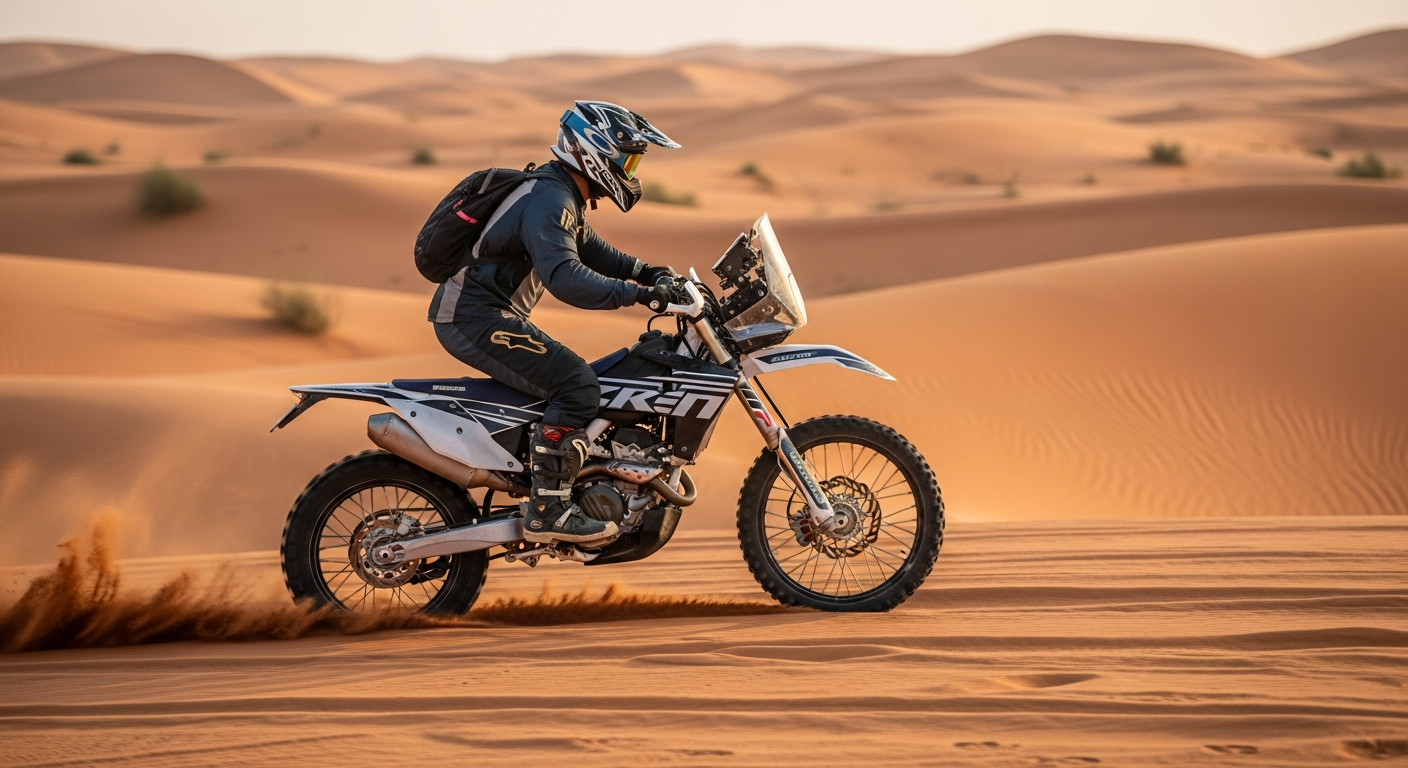
Safety should shape the decision from the beginning. A safety helmet should fit properly, sit level on the head and stay secure without pressing painfully. A harness seatbelt should be adjusted so it feels snug, with no loose slack across the chest. If the fit feels wrong, say so before the drive begins.
Off-road tires should have clear tread and should be suitable for the terrain planned. Worn or damaged tires can reduce grip and make steering less predictable. Look for obvious cuts, bulges or objects stuck in the tread. This is a simple visual check, and any concern should be raised before setting off.
Also ask how the buggy is checked between uses. Cleaning, tire checks, seatbelt inspection and general maintenance all help reduce surprises. If a mechanical issue appears during a drive, such as odd noises, loss of power or steering that pulls sharply to one side, stop in a safe area and tell the operator. Mechanical repairs are a job for a qualified professional, not something to attempt on the sand.
Check the route and the pace
The route is as important as the buggy. A good choice depends on where the vehicle will be driven and how fast the group moves. Ask whether the drive follows marked tracks, open dunes or a mix of both. Find out whether there are stops and whether drivers can slow down or pause when they need to.
A route with high speeds and sudden turns may not suit a nervous driver, even if the buggy itself is easy to handle. A slower route can still feel exciting when the sand is varied and the views are open. Group pace also matters. If some drivers want to rush and others want to take their time, the experience can feel awkward. Clear expectations help avoid that.
In Barsha Heights, the starting point may be close to city traffic, so allow time for the change from paved roads to desert conditions. The drive itself should begin with a calm explanation of controls, hand signals and what to do if the group separates. A route is easier to enjoy when everyone understands the plan before departure.
Understand the difference between buggy types
The word buggy is used loosely, so clarify what vehicle is being discussed. Some are light, open machines built for nimble movement over sand. Others are heavier and more stable, with a broader stance and a more relaxed feel. Neither option is best for every driver.
A lighter dune buggy can feel responsive and fun, but it may transmit more bumps to the body. A heavier buggy may feel planted, yet it can be less agile in tight spaces. Engine size also changes the feel. More power is useful when climbing or carrying two people, but it asks for more control and respect on loose surfaces.
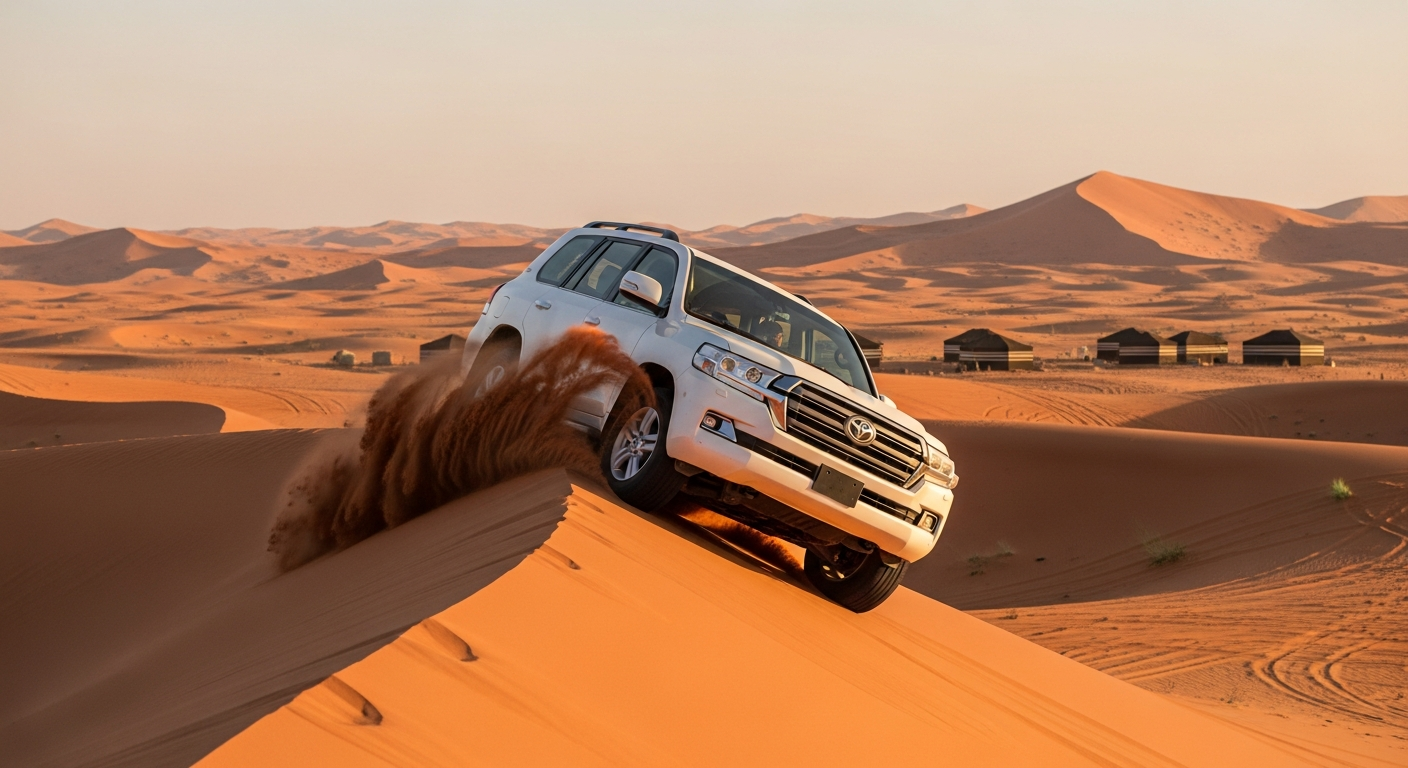
When comparing options, ask about seat position, roll protection, tire condition, suspension and the type of harness seatbelt fitted. These details tell you more than a model name alone. If a buggy has been adapted or repaired, ask whether the work was completed by a qualified professional. Do not try to adjust mechanical parts yourself in the desert.
Ask practical questions before committing
Before choosing, gather the facts that affect the day. Some details are easy to overlook until everyone is ready to go. A short conversation can prevent confusion about timing, group size and what is included.
- Whether the buggy is a single-seater or two-seater and who may ride in it.
- What safety helmet sizes and harness seatbelt adjustments are available.
- Which areas of the desert the route uses and how long the drive lasts.
- Whether the pace is set by the group or adjusted for different drivers.
- What happens if weather, visibility or vehicle condition changes on the day.
The phrase atv quad bike dubai is often used when people are comparing different off-road machines, but a buggy and a quad bike do not feel the same. A quad bike is straddled and steered with handlebars, while a buggy usually has a seat, pedals and a steering wheel. Drivers who are used to one may need a short adjustment period with the other. Choose the format that suits the person, not just the label used in an advert.
Another point to confirm is what happens if plans change. Weather can affect visibility and comfort in the desert. If conditions look poor, a responsible operator may alter or delay the drive. Ask how updates are shared and what the plan is if the group needs to turn back. Clear communication matters more than a rigid schedule.
Look beyond the vehicle itself
A buggy choice should also account for the whole experience. Drinking water, sun protection and suitable clothing make a real difference, especially when the drive includes stops in open sand. Closed shoes are sensible, and loose scarves or dangling accessories can catch unexpectedly. Long hair should be secured before putting on a safety helmet.
Photography is another practical point. Phones and cameras can fill with sand quickly, so keep them protected when the buggy is moving. Do not hold a device while driving or lean out to take a photo. If a stop is planned, wait until the buggy is parked in a safe place.
For families or mixed groups, ask whether everyone understands the rules before departure. Passengers should know how to sit, when to stay still and what to do if the driver needs to stop. A calm briefing helps the whole group feel more confident, particularly when the desert looks unfamiliar.
Make the final choice with clear priorities
When the options are lined up, return to the basics. Choose a buggy that fits the driver, suits the route and has a sound safety setup. Pay attention to the small practical details, from helmet fit to tire condition and the way the group is managed. These points are more useful than a flashy description.

If two options seem similar, pick the one that gives the driver the most control and the clearest reassurance. A slower buggy with good fit and predictable handling can be far more enjoyable than a powerful machine that feels rough or awkward. The desert rewards steady judgment.
One local option is Dune Buggy Ride Dubai and Quad Biking Dubai. Hours, appointment rules, charges and availability are worth confirming with whichever business you choose before making plans.
Dune Buggy Ride Dubai and Quad Biking Dubai is located at Grosvenor Business Tower3 - 4th Floor Office 404 Al Fosool street - Al Thanyah First - Barsha Heights - Dubai - United Arab Emirates.